Keep Your Cameras Recording During The Next Outage
Battery storage isn't just backup power it's 24/7 protection for your security systems, smart home, and everything that matters.

Dark Homes Attract Risk
Planned outages and unexpected blackouts create predictable windows where entire neighborhoods go dark, making high-end homes more exposed to targeted activity when security systems lose power or go offline.
80+ Break-Ins Every Day in LA
Thousands of break-ins occur every year across Los Angeles, with affluent neighborhoods often targeted when homes lose visibility and security systems are disabled or compromised.

1,000+ LA Families Protected
More homeowners across Los Angeles are taking control of their safety with backup power systems that keep security, lighting, and essential systems running without interruption.

100% Free System Review
Get a no-cost, expert assessment of your home’s backup power needs and discover how to keep your family protected during any outage while keeping your most valuable possessions safe and secure.
What they don't want you to know...
Families across LA are left in the dark and paying more, while LADWP pushes double‑digit rate hikes and SCE’s parent turns those higher bills into Wall Street profits.
LADWP
Even with thousands of outages already hitting its territory, LADWP is still pushing through double‑digit power‑budget and rate increases into 2026–27, so affluent families are paying more every year for a grid that keeps failing them.
Southern California Edison (SCE)
Meanwhile, SCE is layering on steep 2026 rate hikes to fund wildfire and grid spending, while its parent Edison International’s stock has climbed a solid mid‑teens over the past year—customers absorb the outages and higher bills, investors ride the upside.
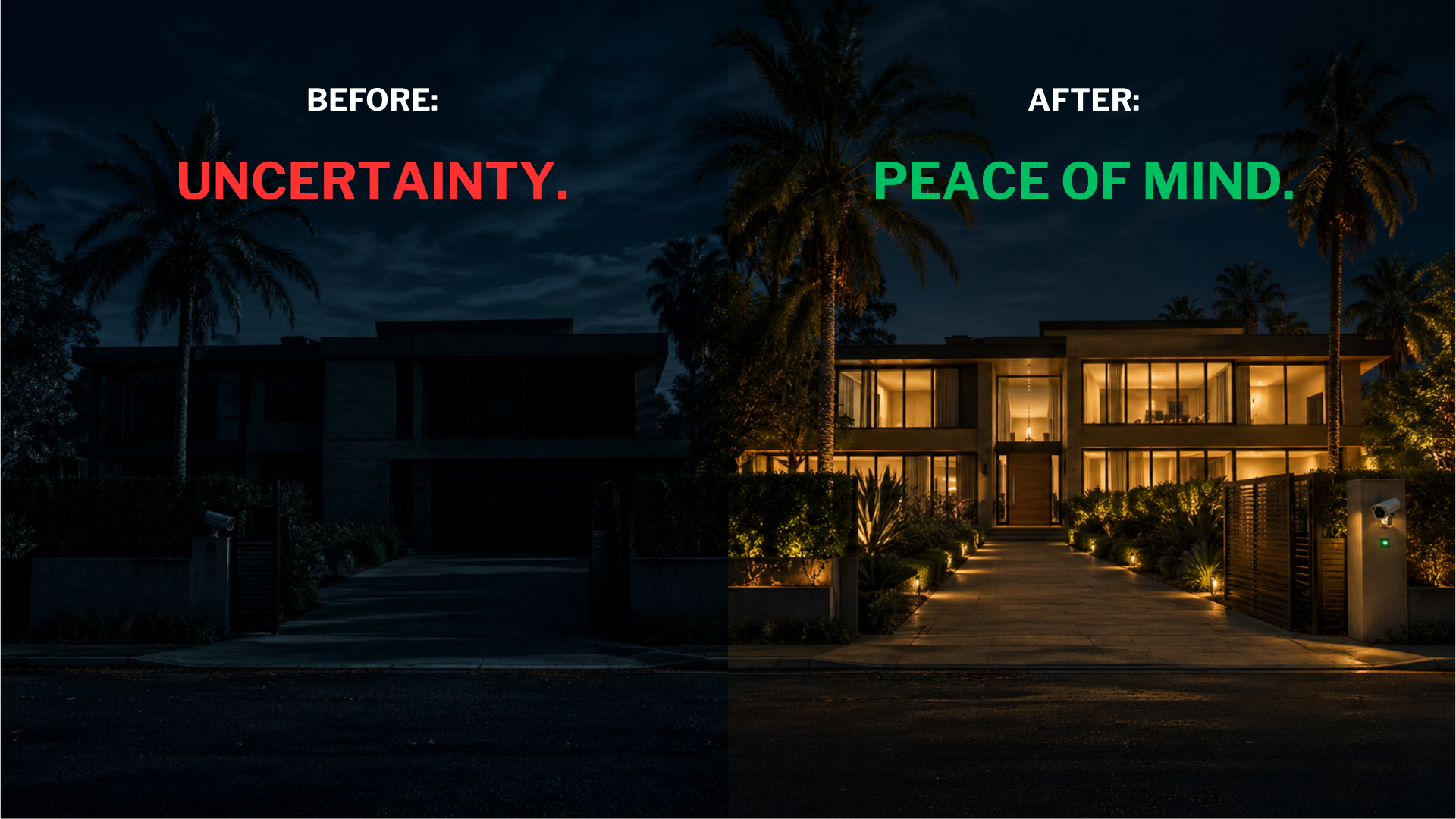
What would uninterrupted power mean for your family?
You’ve already been through enough. Getting clarity on your options can help cover bills, protect your income, and let you focus on what really matters, healing and moving forward.
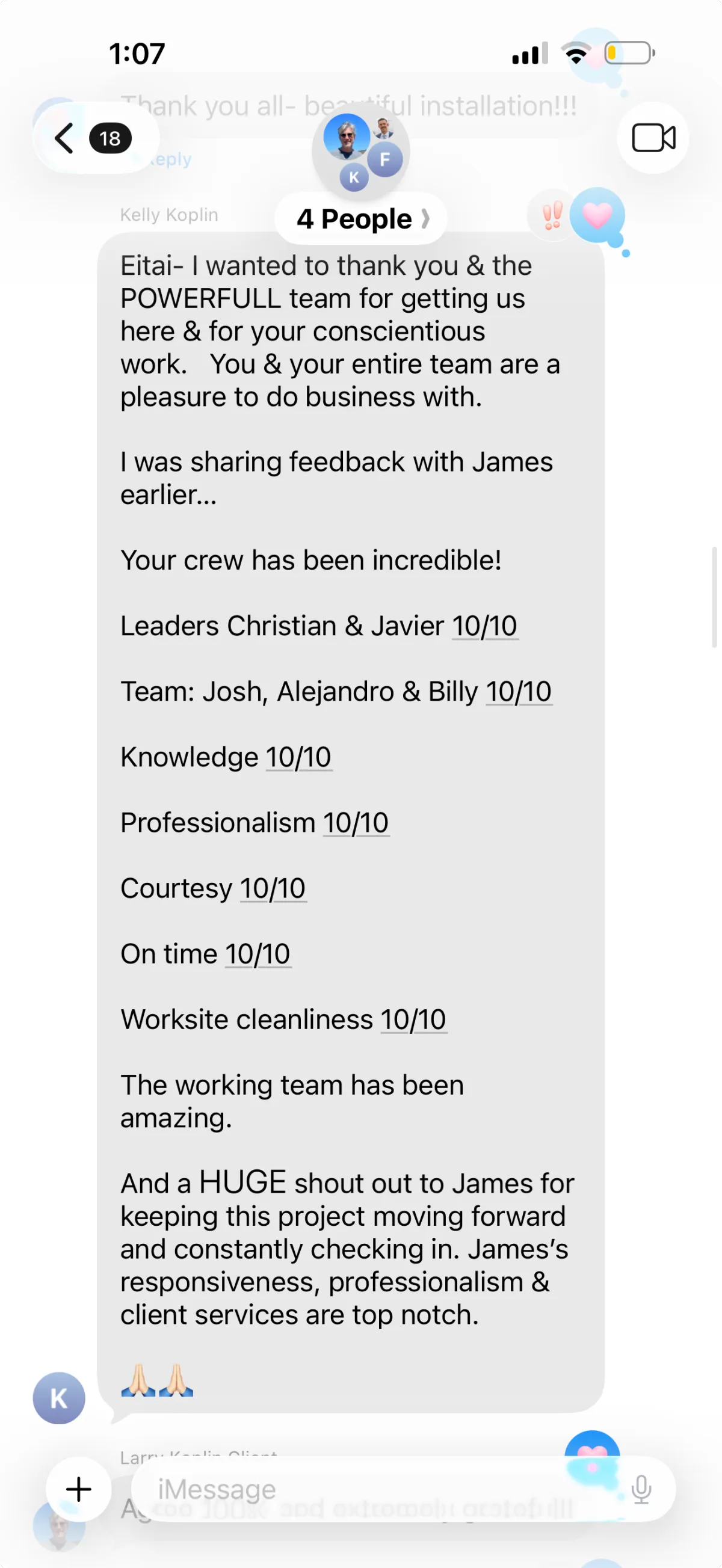
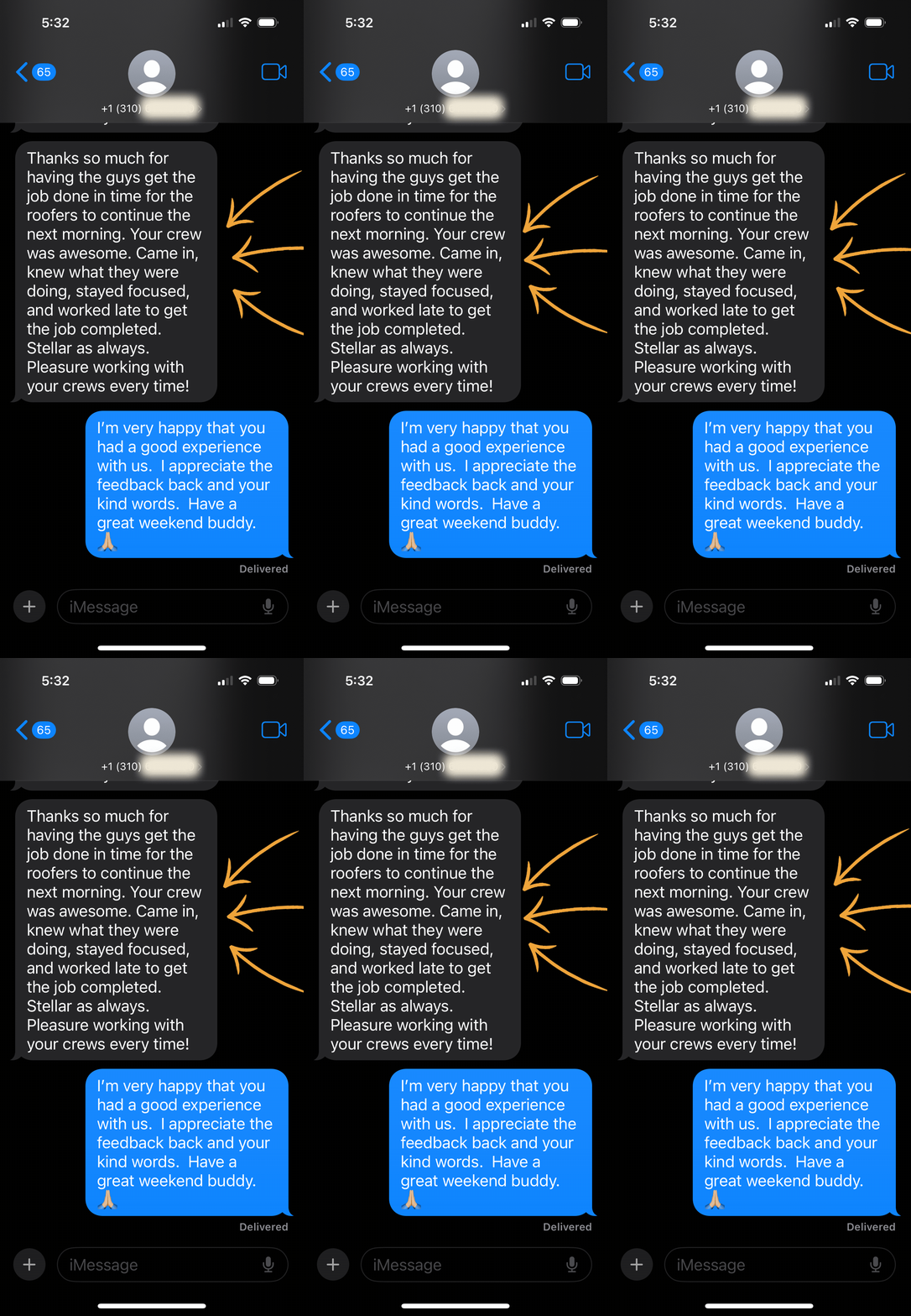
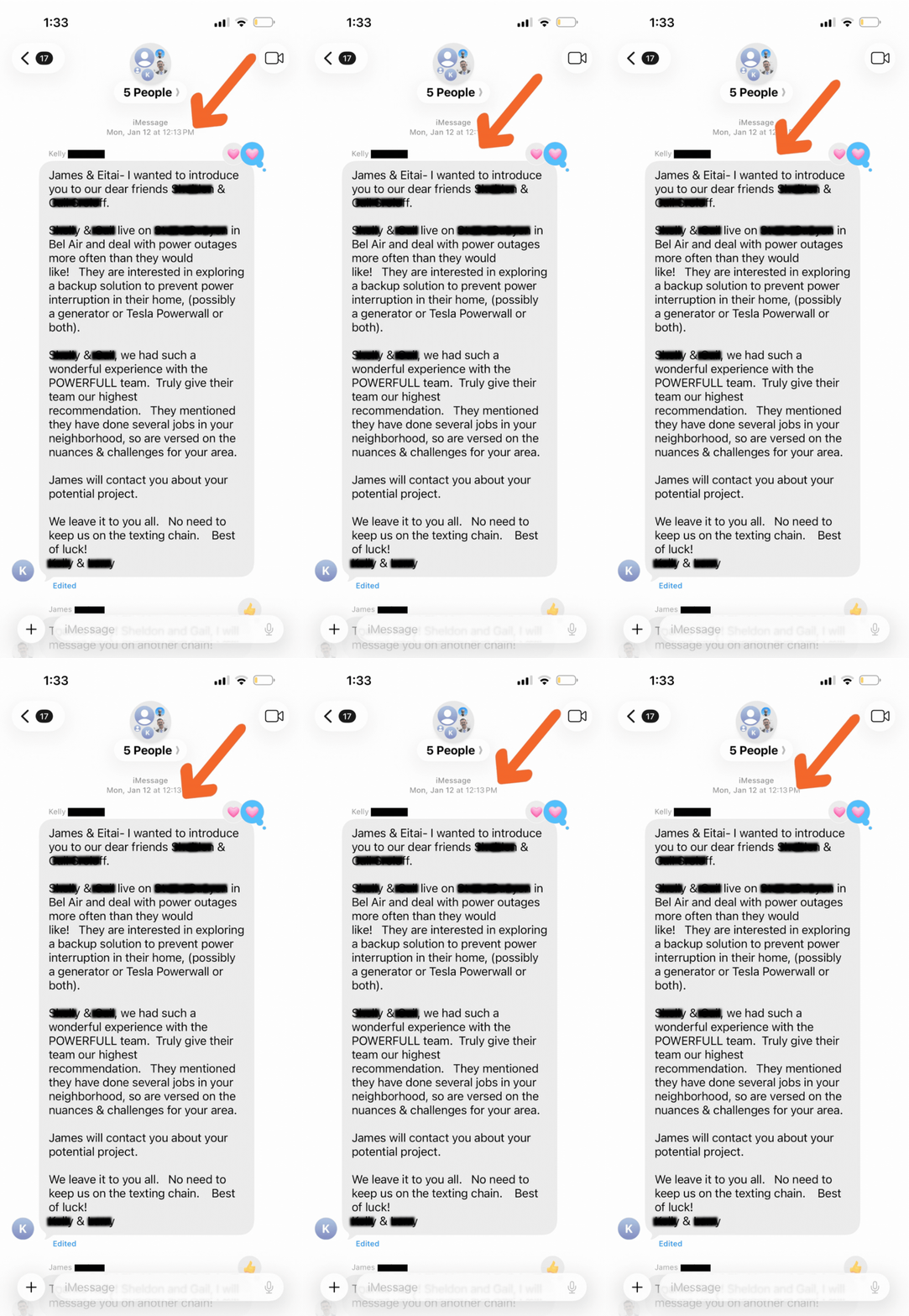
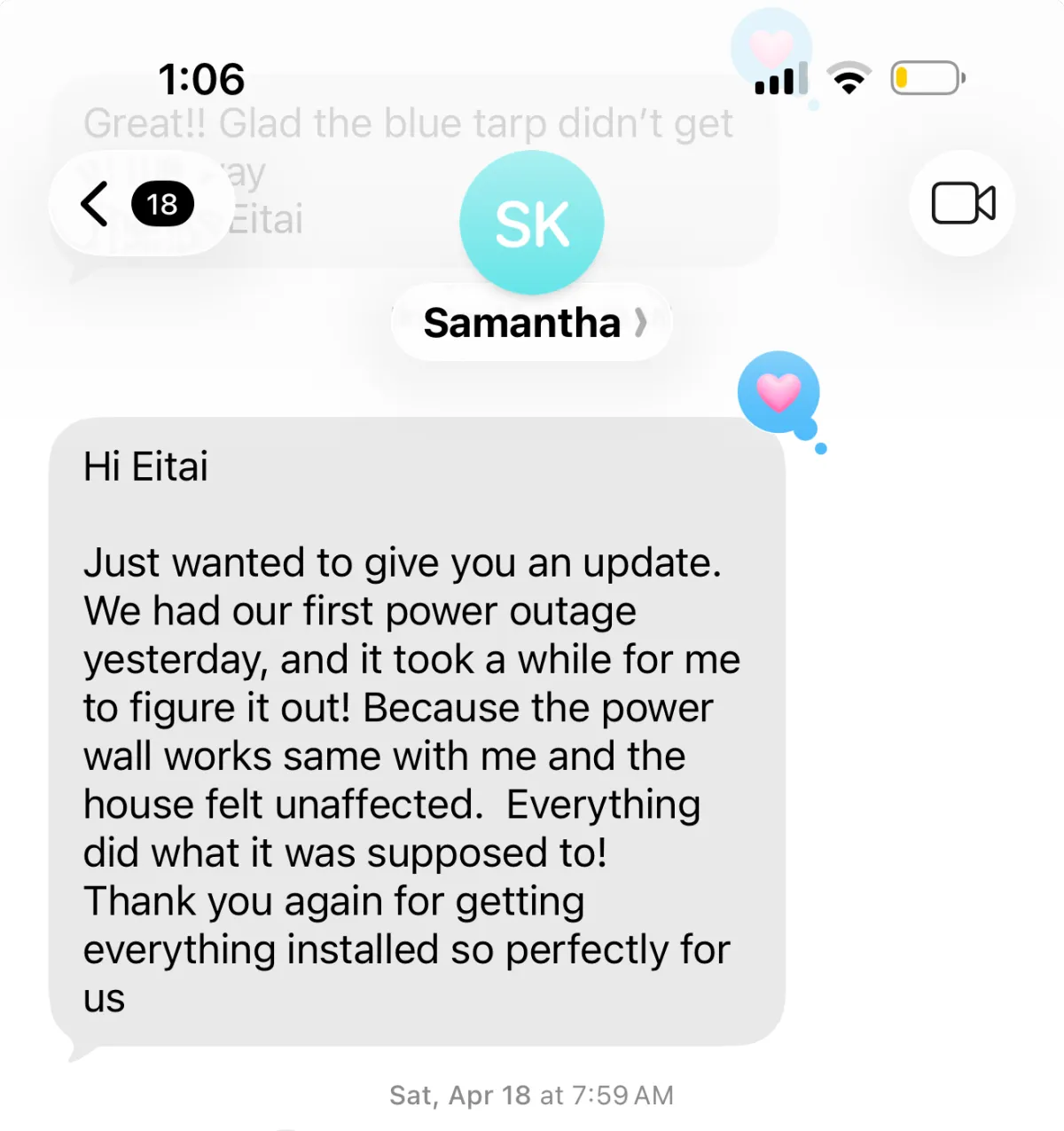
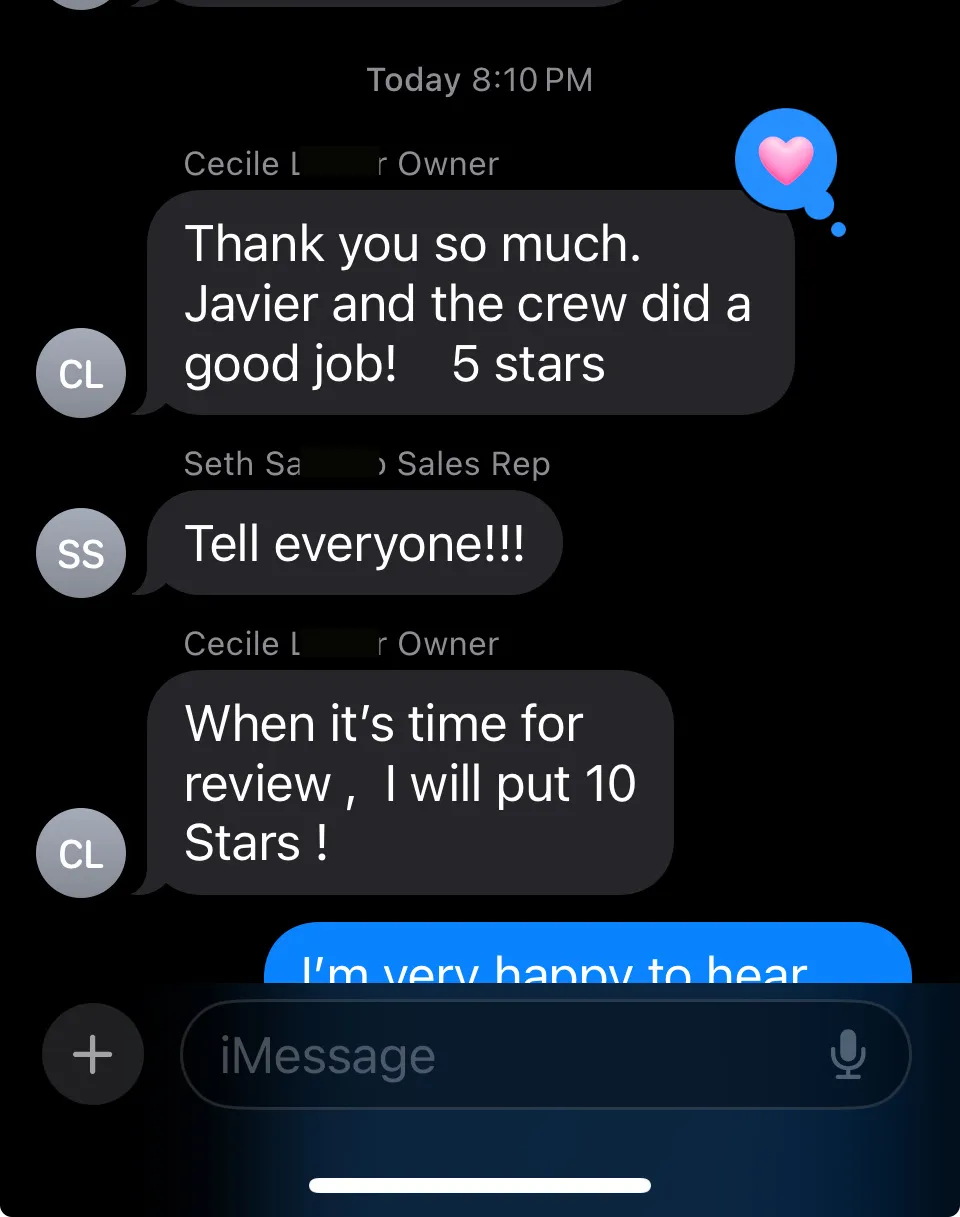
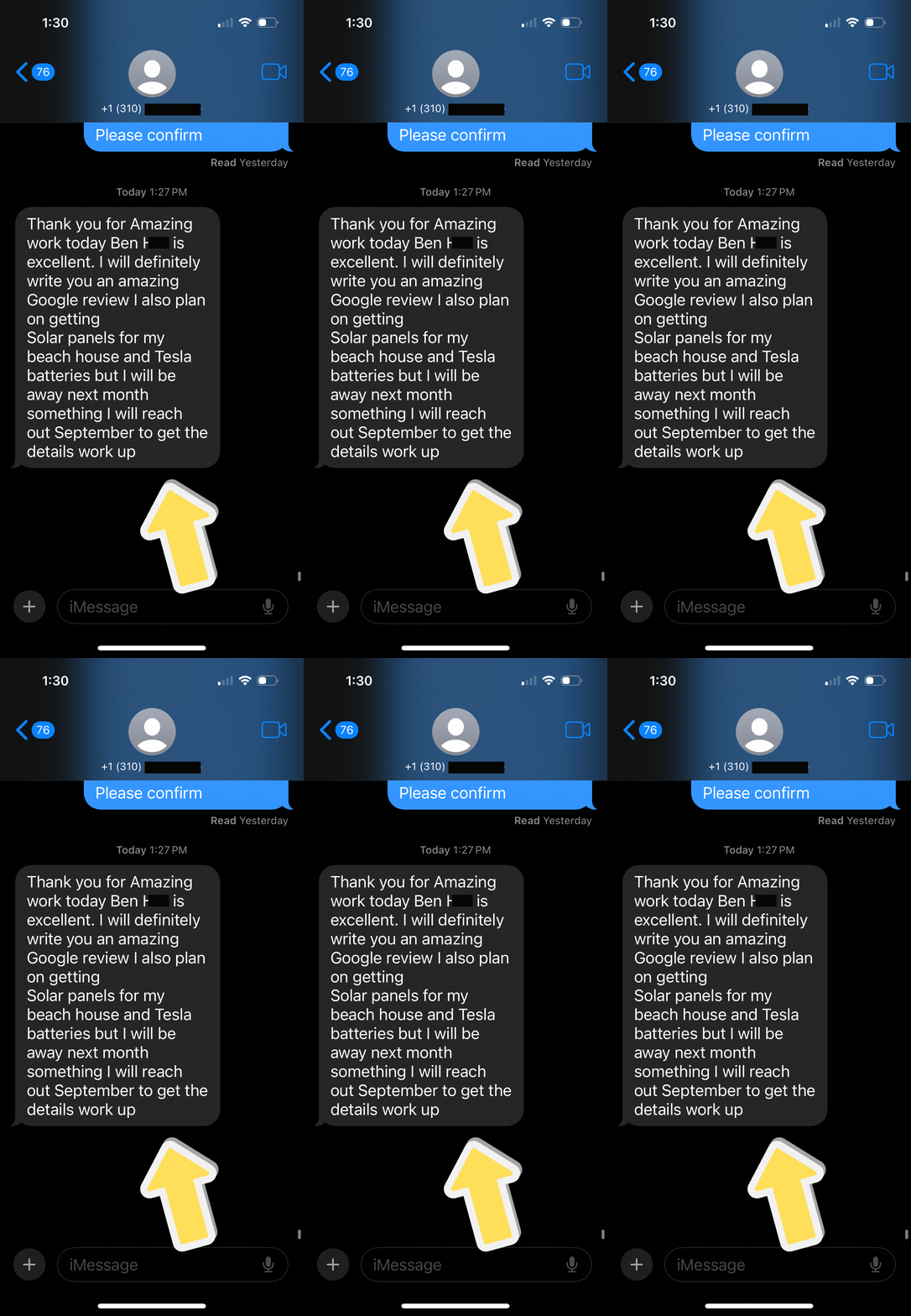
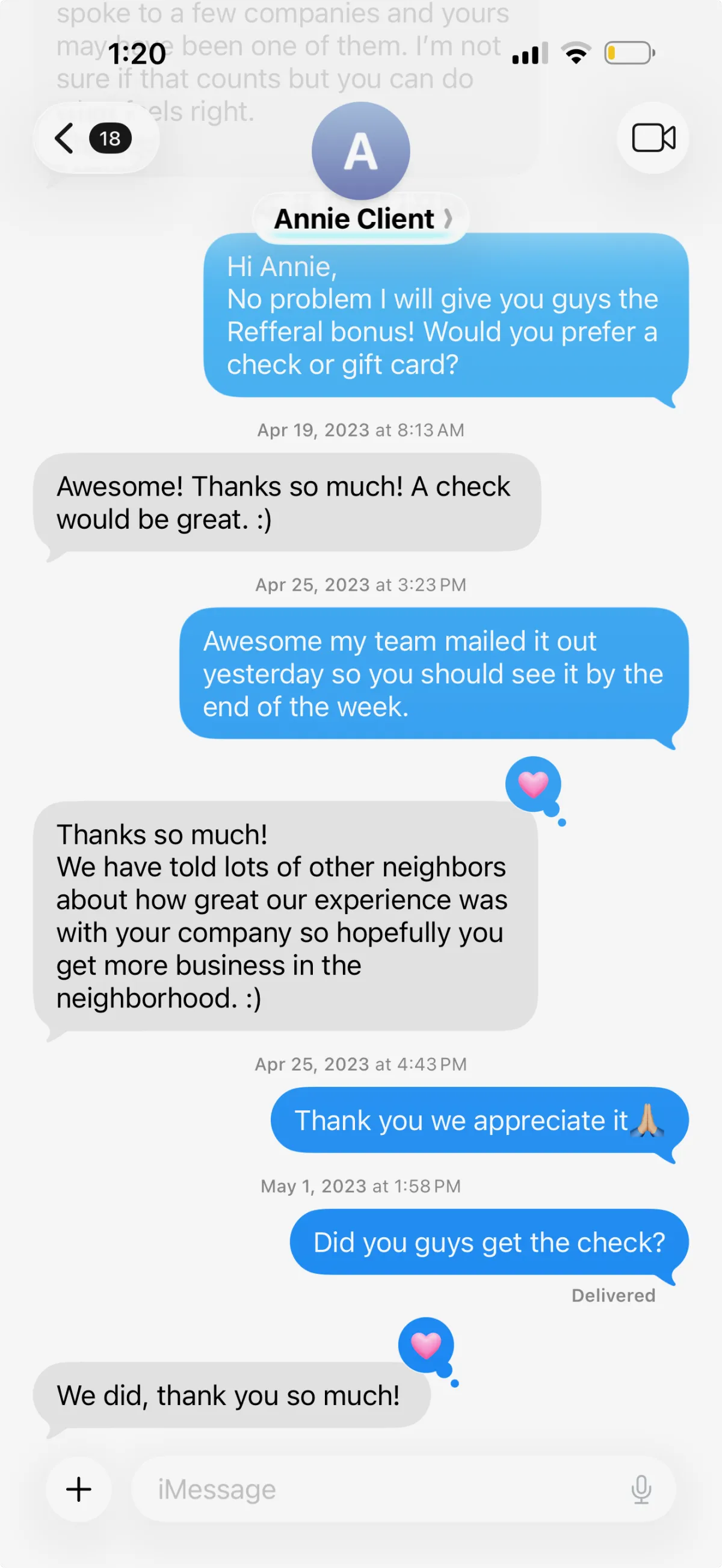
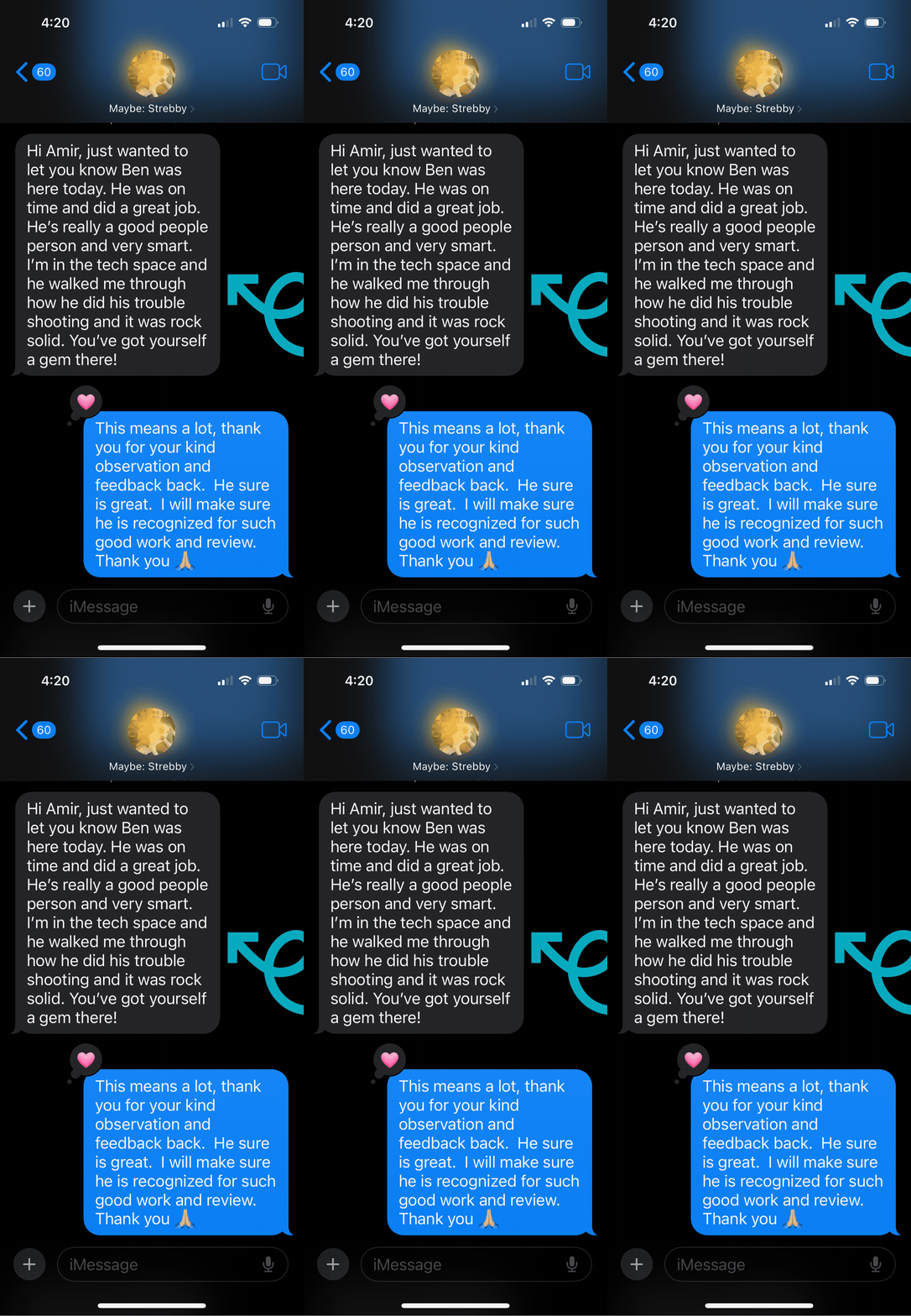
Real Stories From neighbors Around You
Ready to Protect Your Home from Outages?
Get a Custom Backup Power Plan + Expert Consultation to keep everything running!
Call Now to Speak with a Home Energy Specialist: (310) 304-4623
Common Questions
Will my whole home stay powered during an outage?
Yes, your home can absolutely stay powered during an outage, but the real advantage is how we design it around what matters most to you.
Most homeowners start with a smart partial backup that keeps critical systems online like security, cameras, WiFi, home automation, access control, and alarm systems so your home stays protected, connected, and fully operational. From there, you can expand into lifestyle protection like refrigerators, wine cellars, elevators, or even medical devices.
If you want total coverage, we can design a whole home backup system that keeps everything running seamlessly. The system is always built around your priorities, not a one size fits all setup.
How fast does the battery turn on when power goes out?
The transition is instant and completely automatic. The moment the grid goes down, your battery takes over without any interruption, flicker, or manual action. Your home simply keeps running like nothing happened.
Will this keep my security system and cameras running?
Yes, and for most homeowners this is one of the biggest reasons they install a full backup system. It is not just about keeping lights on, it is about keeping the entire security and connectivity layer of the home fully operational when the grid goes down.
A standard UPS is not enough for this. A UPS is designed for short term power protection for individual devices like a router or a single computer, typically lasting only minutes to an hour depending on load. It is meant to give you time to shut things down safely, not to run an entire home security ecosystem. Once it drains, your cameras, WiFi, alarm system, access control, and smart home infrastructure all go offline at the same time, which creates a complete visibility gap.
The real risk is that modern homes are highly dependent on connected systems. Security cameras, network video recorders, smart locks, gates, alarm panels, and remote monitoring all rely on continuous power and internet. If power drops and those systems are not backed up properly, the entire security chain can fail together.
This matters even more today because outages are not always random. There has been an increase in opportunistic burglaries where power disruptions are used to target homes when security systems are temporarily offline or weakened. In those moments, even a short gap in power can mean cameras stop recording, WiFi drops, or remote alerts stop working.
A properly designed backup system eliminates that vulnerability entirely. The moment the grid goes down, power transfers instantly and automatically, keeping your security, cameras, communications, and access systems fully online without interruption. There is no downtime window, no system reboot, and no exposure period where your home is unprotected.
Is this better than a generator?
For most homes, yes. Unlike generators, battery backup systems run silently in the background with no fuel, no noise, no manual startup, and very little maintenance. They automatically switch on the moment the grid goes down, providing instant, reliable backup power.
Beyond outages, they also help you manage energy more efficiently by storing power during lower cost off peak hours and using it during peak times to reduce electricity costs.
They are compact, clean in design, and typically mounted in a garage or exterior wall space without taking up much room. Most of the system is automated, so there is no need for technical knowledge or ongoing upkeep, making it a simple and low maintenance long term solution.
How long will the battery last during an outage?
It depends on how your system is designed and what you choose to power. If you focus on essentials, your battery can last significantly longer. If you choose to power more of the home, runtime will be shorter. The system is intelligently designed to prioritize your most important loads first so you always get maximum backup where it matters most.
Can I control what the battery powers?
Yes, you are completely in control. During the design process, we map your home and let you choose exactly what stays on during an outage. Whether it is just the essentials or additional lifestyle areas, the system is fully tailored to your needs.
Is solar required to install a battery backup system?
No, solar is not required to install a battery backup system. You can charge directly from the grid and still get full backup protection. That said, adding solar gives you the ability to recharge during the day and can extend your independence during longer outages while reducing your energy costs over time.
Does this increase my home value?
Yes, and increasingly so. Backup power and energy independence are becoming premium home features, especially in outage prone areas. It adds both lifestyle value and resale appeal by making your home more resilient and future ready.
Do I need to upgrade my electrical panel?
Not necessarily. It depends on your existing electrical panel. Many homes are ready for installation without any upgrades, while others may require adjustments if the panel is older or near capacity. We evaluate this during your consultation so there are no surprises.
How do I get started?
Getting started is simple. We begin with a quick consultation to understand your home, your energy usage, and what you want to protect. From there, we design a custom system tailored to your priorities so you know exactly what stays powered, how long it runs, and what the investment looks like before making any decision.